KEY TAKEAWAYS
What to take away
- Separate the announced 2027 programme from company selection and cash received.
- Identify evidence gaps in research, field testing and business scale-up.
- Separate grant and equity terms; verify Japanese-company eligibility and deadlines in each scheme’s rules.
An announced programme is different from funding secured
On November 5, 2026, the European Innovation Council announced its 2027 programme. Its official overview describes opportunities totalling more than EUR 1.8 billion across research and company scale-up. This article reviews that announcement as checked on November 9. The total is neither an amount available to a single company nor investment already paid into businesses.
What follows is an editorial approach to reading the programme. Large budgets attract attention, but first describe your own problem in a short sentence. Technical feasibility, customer adoption and sustained manufacturing or delivery require different uses of money and different evidence. Identify the uncertainty to reduce next before choosing a scheme by name.
Locate the evidence gap in research, commercialisation or scale-up
We suggest separating research results, testing in the intended environment and commercial sustainability. A laboratory prototype does not establish equivalent field performance or a viable maintenance operation. Conversely, a company already delivering to customers may face capacity or quality consistency as its growth constraint. This is a framework for separating questions, not an assessment of a particular company.
Map the work, metric, decision-maker and condition for the next spending step at each stage. This can reveal gaps in a plan. Do not classify a company solely by technical maturity; include customer and manufacturing assumptions. When explaining the plan to research partners or investors, distinguish evidence already obtained from evidence still to be produced.
Grants and equity require different questions
The official overview distinguishes grants and equity within EIC Accelerator. Rather than building a cash plan from one combined support figure, organise conditions by the nature of the funding. Questions about permitted spending and reporting differ from questions about ownership and rights. Whoever reviews the contract and individual terms should be able to show the basis for their interpretation.
The operational question is the sequence: which work can be funded internally, and which conditions must be met before external funding can be used? Avoid committing spending as though selection or investment execution were assured. Keep an alternative execution plan and identify spending to pause before financing is confirmed. This makes decisions under uncertainty easier to explain.
What founders and investors in Japan can take away
This European announcement alone does not establish a Japanese company’s eligibility or whether a particular call is currently open. Check each scheme’s formal rules, geography, entity or research-organisation requirements, deadline and treatment of costs. Use this article as an entry point for comparing overseas support with your testing plan, not as a recommendation that every company apply to the same scheme.
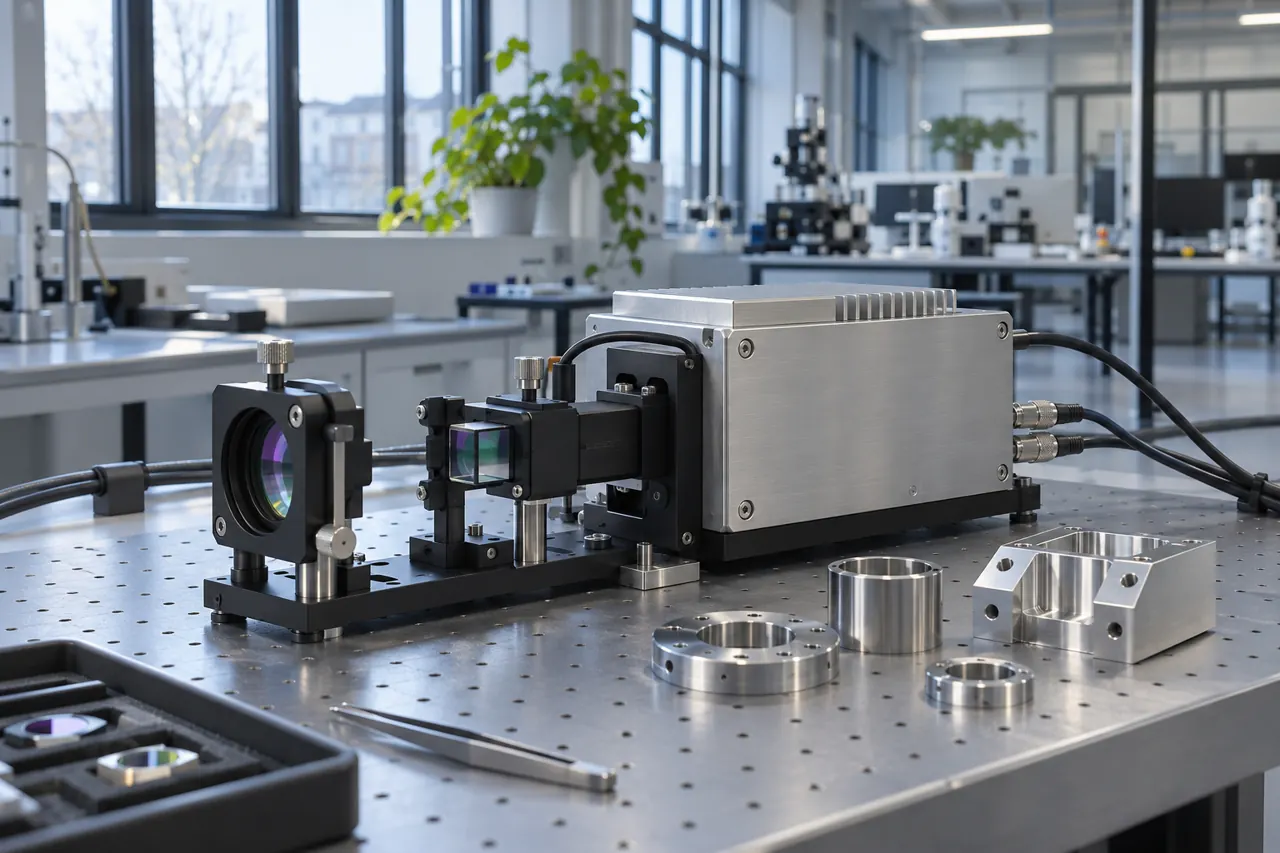
Investors and support organisations should also distinguish considering an application from being selected and receiving money. Participation does not guarantee business value or future returns. This article offers general practical analysis, not individual investment or legal advice. The cover is an AI-generated illustration of fictional research equipment, not a documentary photograph of an EIC-backed company or a real product.
SOURCES & VERIFICATION
Sources & verification
This editorial analysis references the primary sources below. Check the applicable program, jurisdiction and conditions; consult the relevant organization or professional for individual decisions.
- European Innovation Council|EIC Funding opportunities in 2027Checked: 9 Nov 2026