KEY TAKEAWAYS
What to take away
- Separate a completed Series A from customer adoption and repeat purchases.
- Check acceptance conditions and delivery timing alongside feedstock volumes.
- Assess qualification, environmental value and continued supply with distinct evidence.
The next stage described on November 5
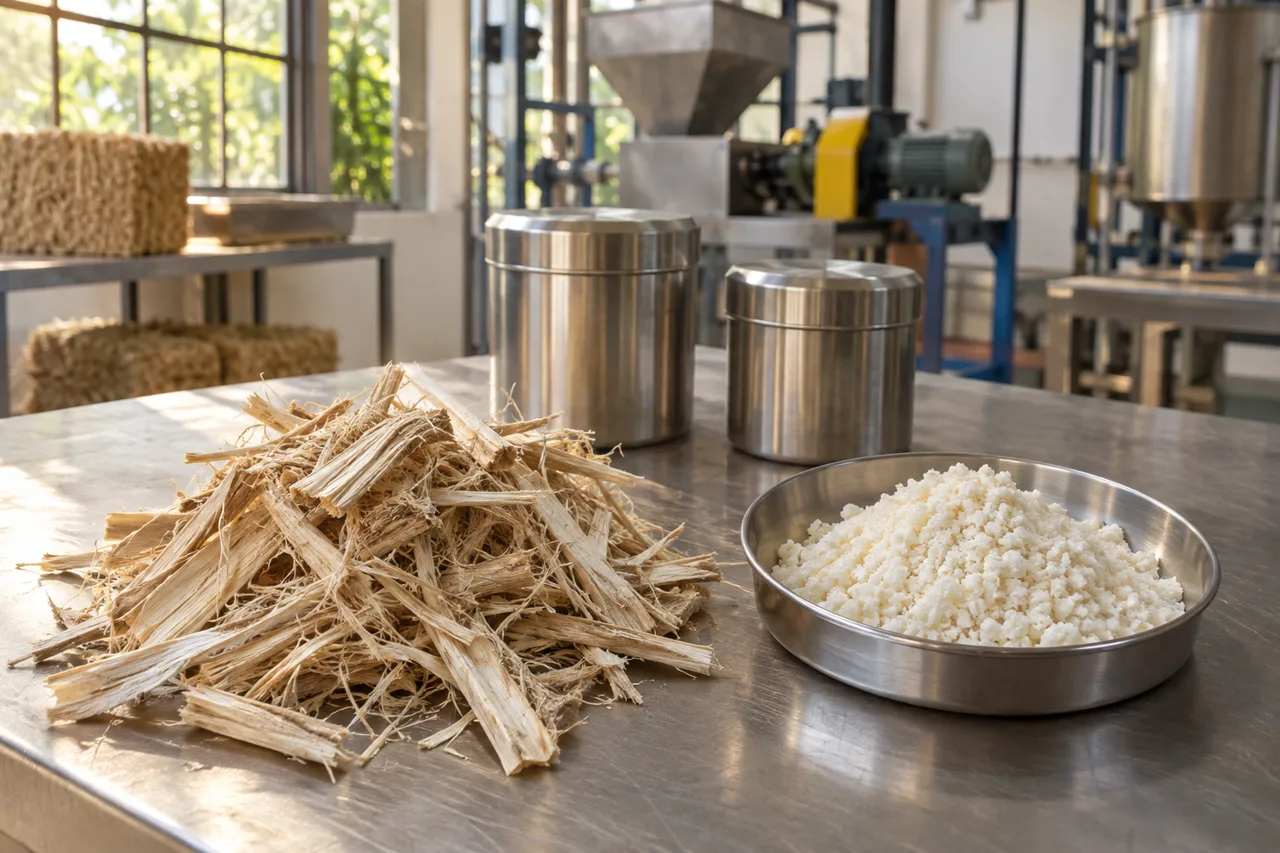
Bengaluru-based altM announced the close of its Series A on November 5, 2026. The company converts agricultural residue into industrial chemical materials and says the financing supports manufacturing capacity, research, customer qualification and its engineering and commercial teams. We checked the company’s own announcement on November 9.
Completed financing is distinct from adoption by every customer. This article does not independently validate the company’s manufacturing or environmental effects. Our analysis below identifies conditions founders and investors can align when examining materials businesses using agricultural feedstocks.
Available residue is not the same as usable delivered feedstock
Our first question concerns when feedstock arrives in the required condition, rather than its total volume. Separating seasonality, storage, transport and receiving checks reveals work hidden by a statement that a region has abundant residue. Align with suppliers on which conditions are acceptable and which require further review.
For example, include in a testing plan whether different conditions of a nominally identical feedstock require changes to processing. This is not a description of altM’s actual process or results. Recording unusable feedstock helps avoid extending a successful prototype result to every procurement batch.
Customer qualification does not end when a sample is sent
A materials proposal can establish what the customer will compare, for which application and who will judge the result, alongside a sample’s performance description. Different test purposes can lead to different decisions from the same result. Map the customer’s required records to those retained by the development team.
If specifications change during testing, ask how much previous evidence remains usable. Track versions and scope consistently, and separate sample evaluation, checks in the actual process and agreement to continued purchasing. The number of interested companies should not simply become a revenue forecast.
Verify environmental value and supply conditions separately
Agricultural origin alone does not establish a lower environmental burden in every application. We suggest asking what is compared, which process stages are included and under what conditions the assessment is made. Do not turn unmeasured reductions or comparisons with different scopes into established sales figures.
In planning, place the time from feedstock procurement through customer evaluation, continued supply and collection on the same chart to explain funding needs. Ask about storage, retesting and delivery work as well as feedstock cost. Read this development both for the material’s novelty and for the system needed to keep delivering to promised conditions.
SOURCES & VERIFICATION
Sources & verification
This editorial analysis references the primary sources below. Check the applicable program, jurisdiction and conditions; consult the relevant organization or professional for individual decisions.
- altM公式:Series A発表(2026-11-05)Checked: 9 Nov 2026